

There is something about the holiday season that seems to come with an unspoken expectation that we should be happy. We should be making memories, enjoying traditions, feeling grateful, and soaking up every bit of the magic.
This time of year, I hear a quiet version of the same question in my office:
"Why can't I just enjoy this?"
For some, it is the first holiday season after a loss. For others, it is strained family relationships, financial stress, loneliness, or the exhaustion of making everything special for everyone else. And sometimes, even when life is going relatively well, we are simply tired in ways we can't quite explain.
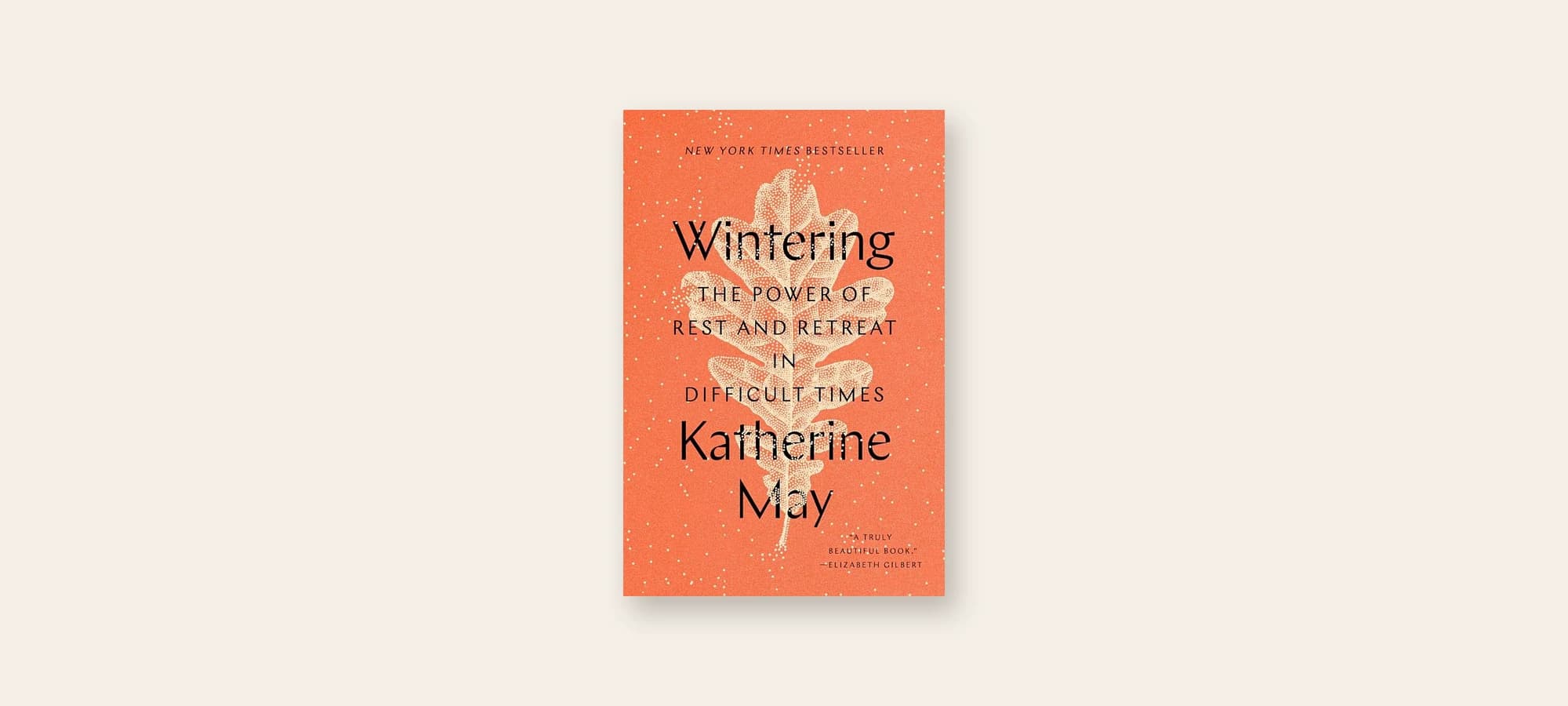
That is why I chose Wintering: The Power of Rest and Retreat in Difficult Times by Katherine May for this holiday Shelf Help recommendation.
The Book
May wrote Wintering during a stretch when illness in her family and her own burnout left her feeling stuck and depleted. Instead of pushing through, she began looking at winter itself: how animals and plants conserve energy, and how many cultures have treated the cold months as a time to retreat and rest. From cold-water swimming to winter solstice traditions, she shows how people have long found comfort in the dark part of the year.
Her central idea is that life has seasons, just as the natural world does. We celebrate the seasons of growth and energy. May asks what happens when we honor the slower ones, too.
Why I Think It Matters
I often hear people talk about what they should be feeling.
I should be happier. I should be more grateful. I should be handling this better.
During the holidays, those "shoulds" get louder. We see the gatherings, the photos, and the carefully planned traditions, and it is easy to feel like everyone else is enjoying the season while we are just getting through it.
But grief doesn't take a break because it is December. Anxiety doesn't disappear because the calendar says to celebrate. And feeling overwhelmed doesn't mean you aren't grateful for the good things in your life.
What I love about this book is that it stops treating a hard season like a problem to solve. Much like good therapeutic work, it gives permission to sit with the hard.
A Little Permission to Winter
You do not have to operate at full capacity all the time (something I have to remind myself of, a lot!)
You can love your family and still feel overwhelmed by the holidays. You can be grateful and still be struggling.
Maybe this is the year you simplify the traditions, say no to an invitation, or let someone else host. Maybe you buy the cookies instead of baking them. (No judgment. I've done it!)
Who Should Read It?
I recommend Wintering for:
- People navigating grief or a first holiday season after a loss.
- Anyone feeling burned out and running on fumes.
- Those in the middle of a life transition.
- The helpers, people pleasers and holders-together, who tend to put everyone else's needs first.
A Few Considerations
Wintering is reflective rather than a step-by-step guide, and it includes a good amount of nature writing, so it won't be for everyone. As I say though to many of my clients, you can always pick and choose what fits for you in the book and move past what doesn't (psst- you don't have to read it cover to cover.) And while rest can be restorative, sadness, hopelessness, or anxiety that doesn't lift deserves more support than a book can offer. If that sounds familiar, therapy can help.
My Shelf Help Takeaway
Not every season is meant for blooming.
Some seasons are for resting, regrouping, and giving ourselves permission to be exactly where we are. If this holiday season feels different than you hoped, that doesn't mean you are doing it wrong.
Sometimes, getting through with a little more compassion for yourself is enough.
This post is part of our Shelf Help series, where our therapists review books that support mental health and stronger relationships. If Wintering stirred something in you about grief, burnout, or the pressure of the holidays, we would be honored to help. Contact Charlotte Therapy Associates to schedule a session and take the next step toward a season that feels a little lighter.
This article is for general information and is not a substitute for individual clinical advice, diagnosis or treatment. If you are in crisis, call 911 or dial 988.